




So I was tinkering around with my Solana setup the other day, and I kept asking myself—how do you really pick a wallet that’s both secure and smooth for staking and DeFi? Seriously, this ecosystem moves fast, and not all wallets are created equal. I stumbled on some quirks that aren’t obvious at first glance. It’s like the more you dig, the more questions pop up. Here’s the thing: choosing a wallet isn’t just about flashy UI or speed. There’s a deep layer involving validator choice and hardware integration that can make or break your experience.
Let me start with a simple observation. Wallets for Solana aren’t just vaults for your tokens — they’re your passport to the whole network. You want that passport to be trustworthy and flexible, especially if you’re diving into DeFi or staking. But which wallet? Well, I’ve been leaning on the solflare wallet lately. It’s got a nice balance of user-friendliness and advanced features that many overlook.
Whoa! That was unexpected. I hadn’t realized how much validator choice impacts staking rewards until I started manually checking them. Initially, I thought any validator would do since Solana’s network is pretty robust. But nope—some validators have better performance and lower commission fees, which can add up over time. So, it’s not just about plugging in your wallet and hitting stake; there’s a strategic layer here.
Okay, so check this out—hardware wallet integration. I’m a bit old-school when it comes to security, and cold storage still feels like the safest bet. But integrating hardware wallets with Solana wallets can be tricky. Not every wallet supports seamless hardware connections, which can frustrate even seasoned users. The solflare wallet extension, for example, offers decent integration with hardware devices like Ledger, making the whole process less painful than I expected.
Something felt off about the way most guides gloss over validator selection, like they expect everyone to just trust the default. Actually, wait—let me rephrase that. They might assume most users won’t bother diving into the details, but for serious stakers, validator choice is very very important. It’s almost like picking your financial advisor in the crypto world.
Validator Selection: Why It’s More Than Just Numbers
When you stake SOL, your rewards depend heavily on the validator you delegate to. On one hand, you want a validator with a high uptime and solid performance. Though actually, that’s not the full story—commission rates and validator reputation matter just as much. Some validators might offer lower fees but have unstable performance, which can eat into your rewards.
My instinct said, “Go for the lowest commission!” but after getting burned once by a flaky validator, I learned to weigh reliability more heavily. It’s a balancing act. Plus, validators sometimes get slashed due to network misbehavior, risking your stake. So, doing a little homework on validator history and community feedback is wise.
Here’s what bugs me about the staking interface on some wallets: they often hide validator stats behind layers of menus. This is where the solflare wallet shines. It makes validator stats more accessible, helping you make informed decisions without jumping through hoops. Honestly, that kind of transparency should be standard.
And I can’t stress this enough: validator decentralization affects network security. Concentrating your stake on a few big validators can be risky. Spreading your stake or choosing validators with smaller but steady performance is, in my view, a smarter long-term play.
Hardware Wallets and Solana: A Love-Hate Relationship
Hardware wallets like Ledger or Trezor are the gold standard in crypto security. But Solana’s fast, high-throughput network introduces some headaches with hardware compatibility. At first, I struggled to get my Ledger to work smoothly with Solana wallets. The transaction signing process felt clunky, and latency was noticeable.
Really? Yeah. But the solflare wallet extension helps bridge that gap. It supports hardware wallets pretty well, providing a neat UI to manage keys securely without exposing your private keys online. That said, the experience isn’t flawless—sometimes you get hiccups during transaction signing, especially on complex DeFi interactions.
One thing I learned the hard way: always keep your firmware updated. Outdated firmware on your hardware wallet can cause weird errors, and troubleshooting that is a pain. (Oh, and by the way, don’t lose your recovery phrase. I’m sure you’ve heard that a million times, but I’ve seen people mess up big time.)
For me, integrating hardware wallets with the solflare wallet felt like a good middle ground—offering the best of both worlds: security and ease of use. But if you’re purely DeFi-focused and want lightning-fast transactions, you might opt for a hot wallet despite the risks. It’s a personal call.
Putting It All Together: What’s the Best Setup?
Okay, so here’s the takeaway from my rambling: pick a wallet that’s robust and transparent (like the solflare wallet), do your homework on validators, and get a hardware wallet if you value security over convenience.
Something that’s been nagging me—staking and DeFi are evolving so fast that what’s best today might be outdated tomorrow. For instance, new validator services pop up all the time, and wallet integrations improve regularly. So, staying informed is half the battle.
And yeah, there’s a trade-off between security and usability. Some users prefer the simplicity of mobile wallets, while others (like me) sweat the details with hardware setups. Neither is wrong; it just depends on your risk tolerance and how deeply you’re involved in the Solana ecosystem.
Here’s a quirky thought: sometimes I wonder if the whole staking game is a bit like picking a horse at the track—you study stats, but there’s always an element of unpredictability. Still, that doesn’t mean you shouldn’t play smart.
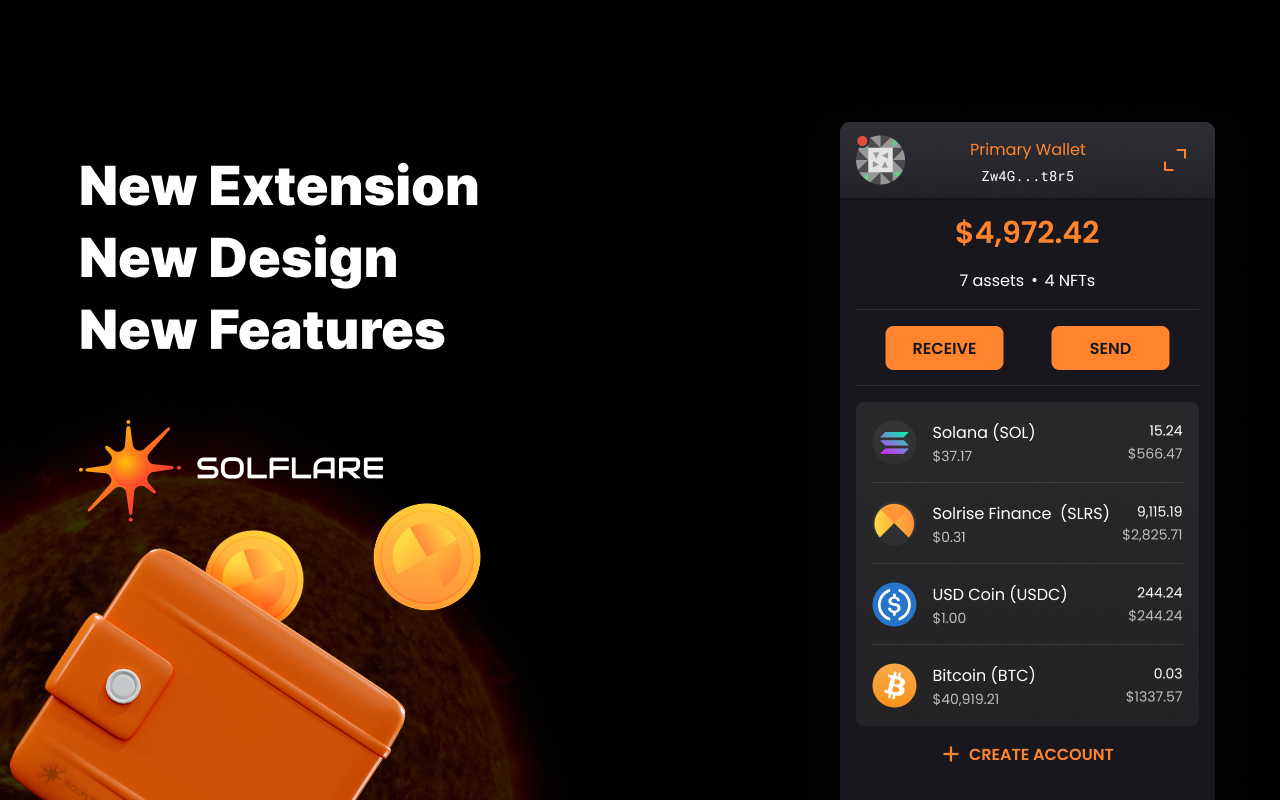
Check this out—if you want to get started without the usual headaches, the solflare wallet extension is worth trying. It streamlines the experience, especially if you’re juggling staking, DeFi, and hardware wallets all at once. I’m biased, but it’s been my go-to lately.
Frequently Asked Questions
Why does validator selection matter for staking rewards?
Because different validators have varying uptime, performance, and commission fees, which directly affect how much you earn. Choosing a reliable validator with reasonable fees can maximize your rewards and reduce risk.
Can I use hardware wallets with any Solana wallet?
Not all Solana wallets support hardware integration smoothly. Wallets like the solflare wallet offer better compatibility with devices like Ledger, making it easier to secure your keys during transactions.
Is staking with a hardware wallet more secure?
Generally, yes. Hardware wallets keep your private keys offline, reducing exposure to hacks. However, they might slow down transaction processes, so it’s a trade-off between security and convenience.
