




Okay, so check this out—staking Solana tokens isn’t just about locking them up and hoping for the best. There’s a whole art (and science) behind choosing the right validator. Seriously? Yeah. I used to think any validator would do, but then I saw my rewards tank because of poor selection. Something felt off about validators with sketchy histories or low uptime. It’s a bit like picking a team captain—you want reliability, but also trust.
Validators, especially in the Solana ecosystem, are the backbone of network security and speed. But here’s the kicker: not all validators are created equal. Some have better hardware, others prioritize decentralization, and a few might even charge exorbitant fees without much transparency. Hmm… that complexity caught me off guard initially.
Now, I’m not going to get all technical here, but uptime and performance metrics really matter. Validators that falter or go offline can slash your staking rewards or even penalize your stake. Initially, I thought “Well, it’s just passive income,” but then I realized the whole process can be very active if you want to maximize gains. Also, fees can eat into your rewards more than you’d think.
Whoa! Ever heard of hardware wallet integration in this context? This is where things get interesting. Using a hardware wallet to stake protects your keys offline while letting you participate in DeFi and staking activities. It’s like having your cake and eating it too—security plus flexibility. I’m biased, but having my keys in cold storage gives me peace of mind, especially with all the cyber shenanigans going on.
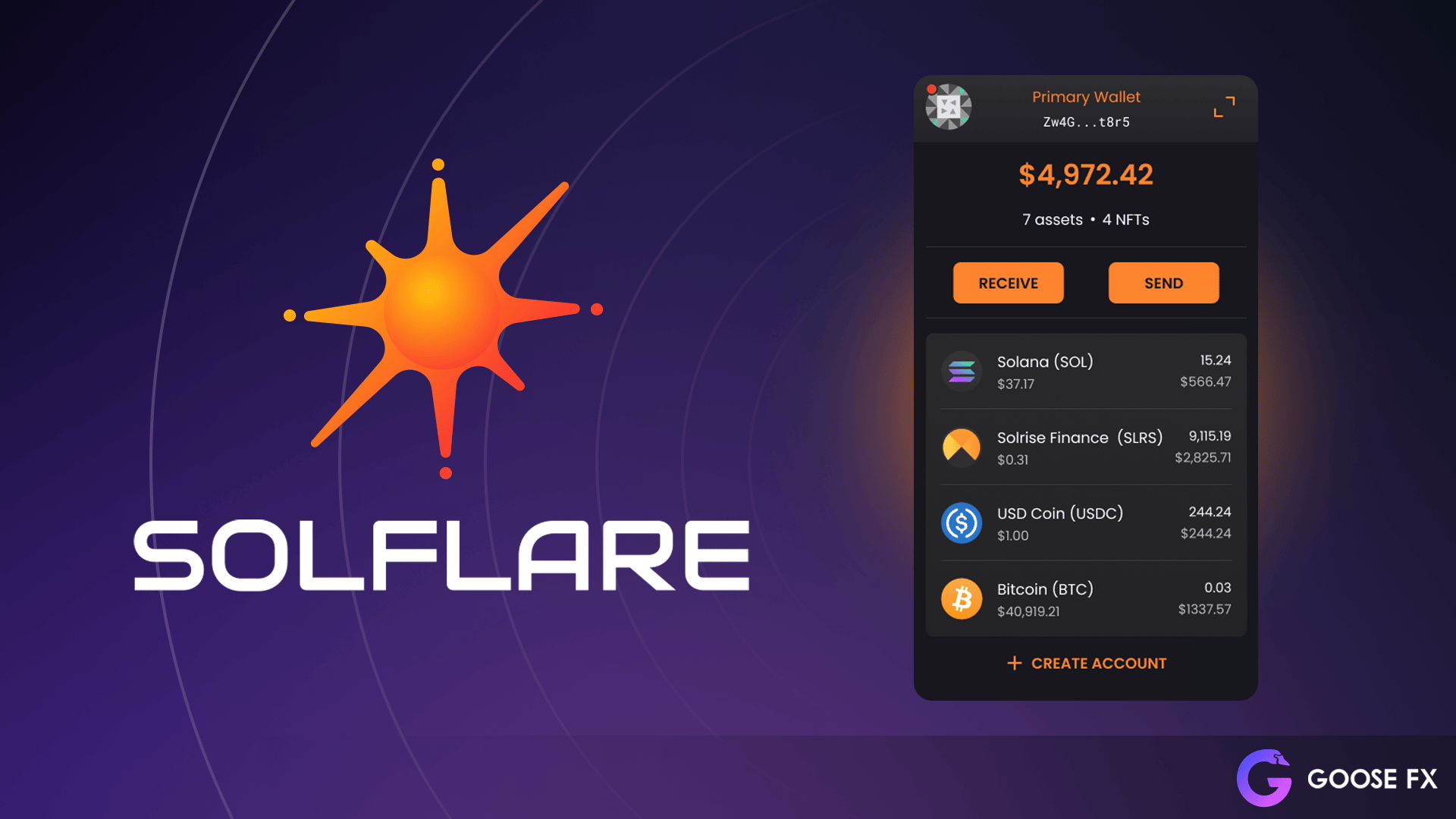
Honestly, the Solana ecosystem has been catching up fast. The integration of hardware wallets with staking platforms is smoother than it was a year ago. Actually, wait—let me rephrase that… It’s still evolving, but tools like Solflare have nailed the balance between user experience and security. If you haven’t checked it out yet, the solflare wallet download is a good starting point to get your hands dirty safely.
Here’s what bugs me about some staking interfaces—they make it look so simple, but once you dig deeper, you realize the difference between a trustworthy validator and a risky one isn’t always obvious. Some validators might have flashy websites but poor track records. On one hand, they promise high rewards, though actually, their downtime rates or commission fees might counteract those gains.
Something else to consider: decentralization isn’t just a buzzword. If too many users stake with a handful of validators, the network’s security can weaken. So, spreading your stake across a few reliable validators might be smarter, even if it means more management on your part. Yeah, it’s a bit more hands-on, but for me, it’s worth the effort.
Speaking of hardware wallets, I remember when I first connected my Ledger device to Solflare for staking. The process wasn’t exactly seamless—there were moments I thought I’d bricked my wallet or lost access. But after fiddling with it (and a quick Google dive), I got the hang of it. My instinct said “this is the future” because it combines the unhackable nature of cold storage with the ease of online staking.
Really? Yep. So, the integration works by letting you sign transactions securely offline, then broadcasting them without exposing your private keys. That means your stake is not just safe from hackers but also from phishing scams that plague hot wallets.
Initially, I was worried that using a hardware wallet would slow down my staking rewards or complicate claiming them. But turns out, the rewards process stays pretty much the same. You just have to be patient when signing transactions, since it’s not instantaneous like software wallets. It’s a trade-off I’m very willing to make.
Now, about those staking rewards—here’s the catch. Rewards on Solana aren’t just handed out evenly. Validators set different commission fees, usually between 5% and 10%, which means if you stake 100 SOL, some validators might take a bigger cut than others. And that adds up over time. So, picking a low-fee, high-uptime validator is key.
But fees alone don’t tell the whole story. I noticed some validators with higher fees offer better performance and security, which might actually net you more in the long run. It’s like choosing a financial advisor: cheaper isn’t always better.
Okay, so check this out—staking isn’t just a static thing. Validators sometimes get voted out or change their parameters. That means keeping an eye on your validator’s health is crucial. I like to use performance dashboards, but I’m not 100% sure everyone has the time or interest to monitor this regularly.
Something I’m still curious about is how future Solana upgrades might affect staking dynamics, especially with hardware wallets. There’s a lot of talk about enhanced smart contract capabilities and maybe even more decentralized validator selection processes. It’s exciting but also a bit daunting.
Whoa! By the way, if you’re serious about staking and want security, the solflare wallet download I mentioned earlier is a gem. It supports hardware wallets seamlessly and has an intuitive interface for managing your stakes and rewards. Plus, it’s US-friendly in terms of localization and support, which is a nice touch.
One last thing—don’t forget about slashing risks. While Solana’s slashing penalties are generally low compared to other chains, validators misbehaving or going offline can still cause you to lose a portion of your stake. It’s rare, but it happens. So, spreading your stake or choosing well-established validators is a smart move.
Here’s the thing: the more you dive into validator selection, hardware wallet integration, and managing staking rewards, the more you realize it’s a balancing act between convenience, security, and yield. Not every choice is clear-cut, and honestly, I’m still tweaking my own setup to optimize for all three.
Anyway, if you want to dip your toes in with some extra confidence, the solflare wallet download is where I’d start. It’s helped me keep my staking game tight and secure, and that peace of mind? Priceless.
Frequently Asked Questions
Why does validator selection matter for staking rewards?
Because validators differ in uptime, fees, and security. Choosing a reliable validator maximizes your rewards and minimizes risks like slashing or downtime penalties.
Can I use a hardware wallet for staking Solana?
Yes! Hardware wallets like Ledger can be integrated with wallets like Solflare to securely stake your SOL while keeping your private keys offline.
Are staking rewards immediately available?
Rewards accumulate over time and may require claiming via wallet interfaces. Using a hardware wallet might add slight delays when signing transactions, but the reward process remains straightforward.
How do I start staking safely?
Download a trusted wallet like Solflare (check the solflare wallet download) and connect your hardware wallet. Then research validators based on uptime, fees, and reputation before delegating your stake.
